Resource
Laden zu Hause in der Flotte: Was Fuhrparkmanager wissen müssen
Ihre E-Flotte wächst? So steuern Sie das Laden zu Hause und die Ladekosten, ohne jedem Mitarbeitenden eine Wallbox zu installieren.

Kurz gesagt: Laden zu Hause in der Flotte zu steuern heißt nicht, jedem Mitarbeitenden dieselbe Wallbox zu geben, sondern verlässliche Daten zu jedem Ladevorgang zu haben: Ort, Fahrzeug, geladene kWh und kWh-Preis. Fuhrparkmanager, die fünf Fragen beantworten (wo die Flotte lädt, wie das Laden zu Hause korrekt erstattet wird, wie das Ladeverhalten kontrolliert wird, wie Kosten zugeordnet werden und ob der Prozess skaliert), erhalten eine Laderichtlinie, die auch für Wohnungen, vorhandene Wallboxen und normale Steckdosen funktioniert. Fahrzeugdaten direkt aus dem Auto sind dafür die flexibelste Grundlage.
Die Wallbox zeigt nicht das ganze Bild
Viele Unternehmen bauen ihre Ladestrategie rund um Hardware auf: Jeder Mitarbeitende bekommt eine Wallbox, und alle Daten sollen automatisch verfügbar sein. Doch dieser Ansatz passt nicht für alle.
Manche Mitarbeitende wohnen in einer Wohnung oder haben keinen eigenen Stellplatz. Andere haben bereits eine Wallbox oder laden an einer normalen Steckdose. Und was passiert, wenn jemand mit dem Dienstwagen umzieht? Oder noch ein Fahrzeug eines früheren Arbeitgebers fährt?
Eine Flottenrichtlinie, die auf einen Wallbox-Typ zugeschnitten ist, wird schnell schwer zu verwalten. Ausgangspunkt sollten verlässliche Daten zu jedem Ladevorgang sein, egal an welcher Ladelösung Ihre Mitarbeitenden laden.
Fünf Fragen für Ihre Laderichtlinie
- Wissen Sie, wo Ihre Flotte lädt?
Um Ladekosten einzuordnen, müssen Sie wissen, wo geladen wurde. Laden zu Hause, am Arbeitsplatz und öffentlich kostet unterschiedlich viel und wird oft unterschiedlich abgerechnet. Eine zentrale Übersicht hilft, diese Kosten getrennt zu halten und zu verstehen, was passiert. - Können Sie das Laden zu Hause korrekt erstatten?
Mitarbeitende, die zu Hause laden, zahlen den Strom oft zuerst selbst. Danach müssen Sie berechnen, wie viel Sie erstatten. Dafür brauchen Sie verlässliche Angaben zu:- der geladenen Energiemenge;
- dem geladenen Fahrzeug;
- dem Ort des Ladevorgangs;
- dem geltenden kWh-Preis;
- dem Zeitraum der Erstattung.
- Behalten Sie das Ladeverhalten im Blick?
Manche Ladevorgänge kosten mehr als andere. Ein Mitarbeitender nutzt vielleicht einen teuren öffentlichen Schnelllader, obwohl er zu Hause hätte laden können. Ihre Laderichtlinie sollte deshalb nicht nur festlegen, was erlaubt ist. Sie müssen auch prüfen können, ob sie eingehalten wird. Denken Sie an Regeln für öffentliche Ladenetze, Ladebudgets, Schnellladen und maximalen Verbrauch. - Können Sie Kosten richtig zuordnen?
In größeren Unternehmen müssen Ladekosten oft einzelnen Fahrern, Fahrzeugen, Abteilungen, Kostenstellen, Gesellschaften oder Ländern zugeordnet werden. Eine Lösung, die nur die Gesamtrechnung zeigt, gibt Ihnen nicht die nötige Kontrolle. - Wächst Ihr Prozess mit der Flotte mit?
Was für zehn Fahrzeuge funktioniert, klappt nicht unbedingt für hundert oder tausend. Wenn Ihre Flotte wächst, wollen Sie nicht ständig Wallboxen installieren, neue Lieferanten steuern, Tabellen zusammenführen oder alles manuell prüfen. Dazu kommen die einzelnen Erstattungsprozesse. Ihre Ladestrategie sollte Wachstum von Anfang an mitdenken.
Beginnen Sie mit Fahrzeugdaten
Elektroautos erfassen die wichtigsten Ladeinformationen bereits selbst: Ort, Ladezeiten, Energieverbrauch und Kilometerstand.
Wenn Sie diese Daten direkt aus dem Auto beziehen, hängt Ihre Ladestrategie weniger von der Hardware beim Mitarbeitenden zu Hause ab.
Mitarbeitende laden so, wie es zu ihrer Situation passt. Sie erhalten trotzdem die Informationen, die Sie für Kostenberechnung, Richtlinienkontrolle und Reporting brauchen.
EEVEE Mobility nutzt Fahrzeugdaten, um Ladevorgänge nach Fahrzeug, Fahrer, Ort und Energieverbrauch zu erfassen und zu ordnen.
Raum für unterschiedliche Lade-Setups
Wallboxen sind in vielen Situationen weiterhin sinnvoll. Sie sind bequem und bieten Mitarbeitenden mit geeignetem Stellplatz ein gutes Ladeerlebnis. Mit EEVEE Mobility sind Sie beim Aufbau Ihrer Flottenstrategie flexibler.
Ein flexibler Ansatz kombiniert:
- Wallboxen dort, wo sie einen Mehrwert bieten;
- Fahrzeugdaten für einen vollständigen Überblick;
- automatische Abrechnung der Heimladekosten;
- klare Regeln für öffentliches Laden;
- Reporting für Fuhrparkmanagement, Personalabteilung und Finanzen.
So hängt Ihre Laderichtlinie nicht vollständig von einem Installationstyp ab.
Worauf kommt es beim Laden zu Hause in der Flotte an?
Wer das Laden zu Hause steuert, braucht Überblick, Kontrolle und einen Prozess, der mit der Flotte wächst. Fahrzeugdaten geben Mitarbeitenden die Freiheit, so zu laden, wie es für sie passt. Fuhrparkmanager behalten dabei Kosten, Erstattungen und Laderichtlinie im Griff.
EEVEE Mobility hilft Ihrem Unternehmen, das Laden zu Hause, öffentliche Ladevorgänge und Ladekosten auf einer Plattform zu verwalten.
Möchten Sie das Laden zu Hause für Ihre Flotte vereinfachen? Demo vereinbaren.
Häufig gestellte Fragen
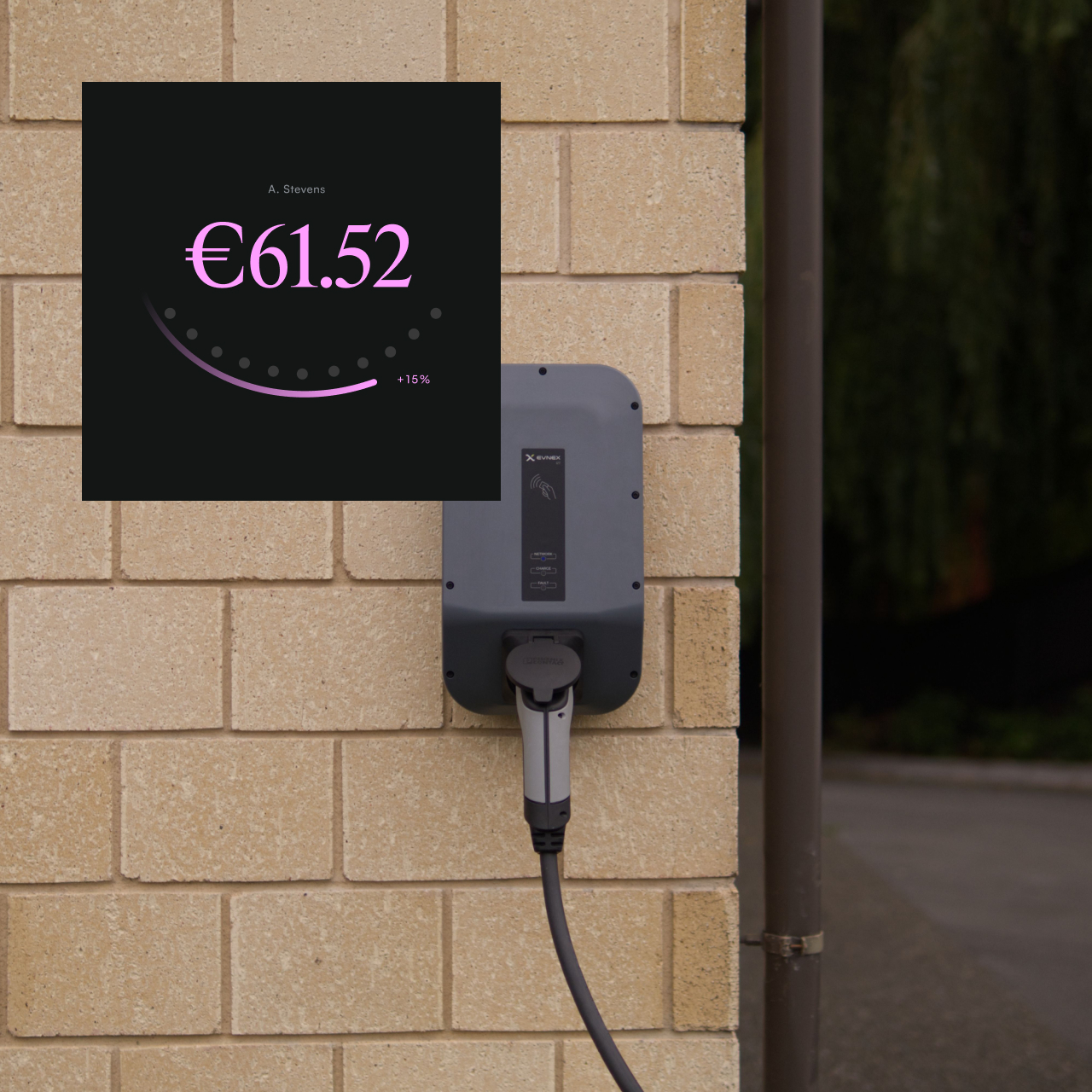
Resource
MID-Zähler: Pflicht beim Dienstwagen?
MID-Zähler an der Wallbox oder Fahrzeugdaten? Was Ladedaten für die Erstattung beim Dienstwagen zuverlässig macht und was das BMF seit 2026 als Nachweis zulässt.
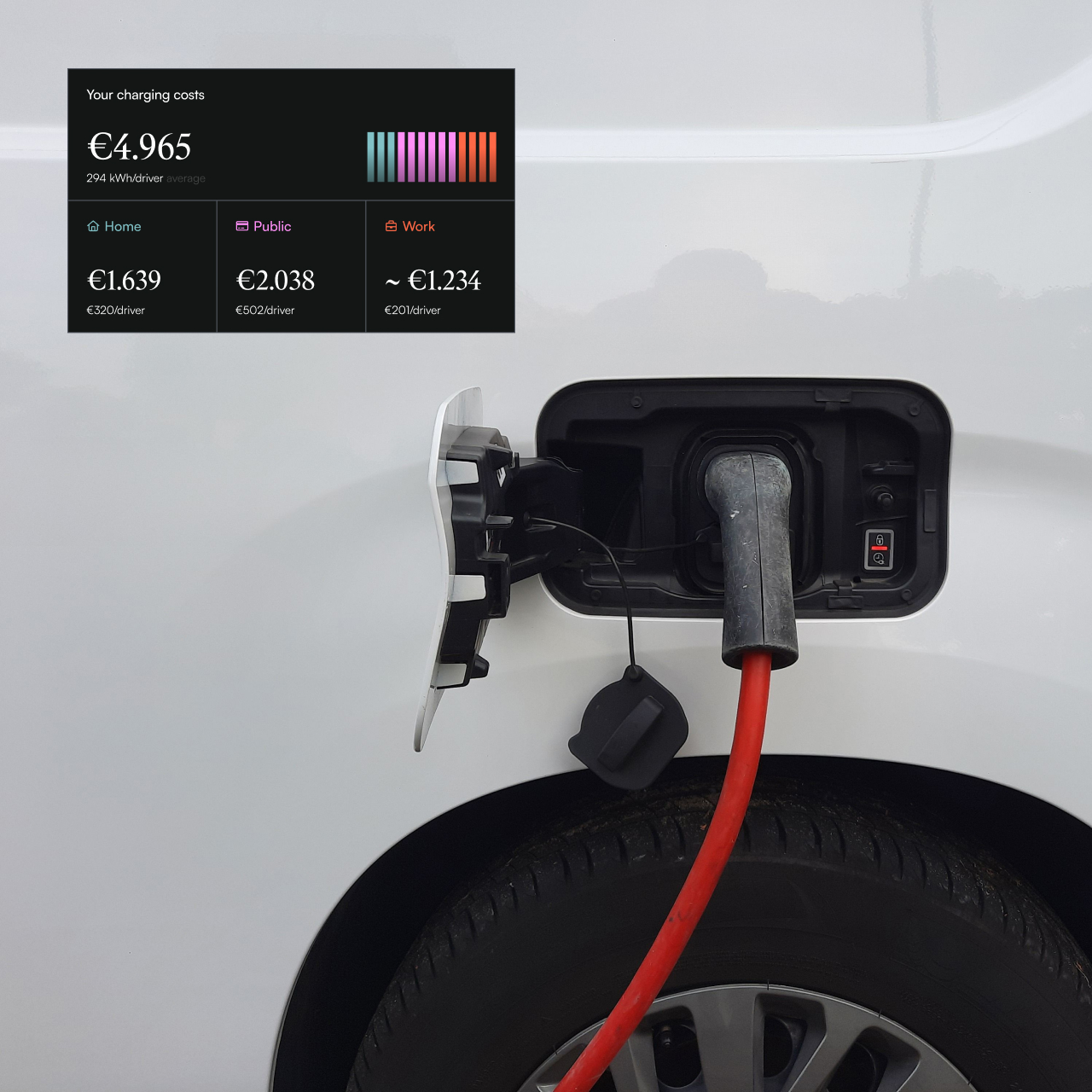
Resource
Dienstwagen zu Hause laden: 5 Lösungen
Dienstwagen zu Hause laden: Steckdose, smartes Ladekabel oder Wallbox? Vergleichen Sie die Lösungen, die nötige Ladegeschwindigkeit und die Erstattung.
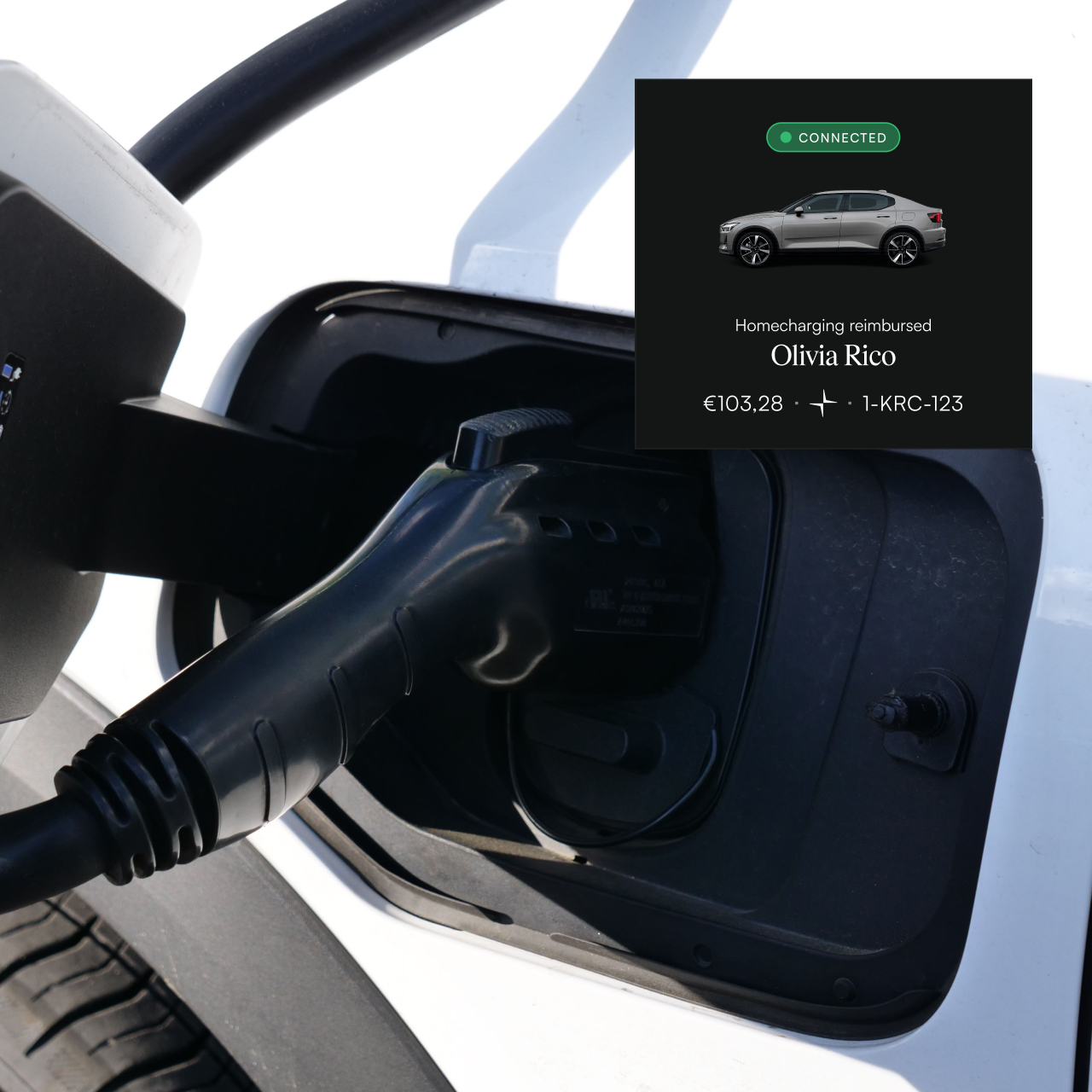
Resource
CPO-Kosten für die Wallbox zu Hause
Zahlen Sie einen Ladepunktbetreiber für jede Wallbox Ihrer Mitarbeitenden? Was CPO-Gebühren abdecken, welche Nachteile sie haben und wie es einfacher geht.

For fleet managers of the modern era


